What Is Vegan Food? Complete Guide, Benefits & List
What Is Vegan Food? (Simple Definition)
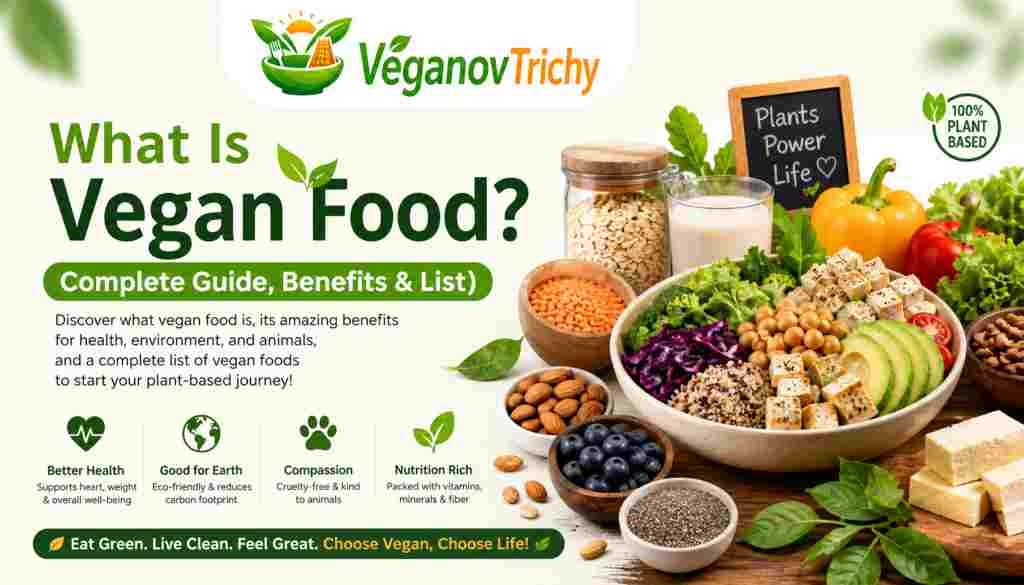
What is Vegan food? means food that comes only from plants. It does not include anything that comes from animals. This includes meat, fish, eggs, milk, butter, cheese, and even honey. People who follow a vegan diet eat fruits, vegetables, grains, nuts, seeds, and plant-based products.
On veganovstrichy.com, we explain things in a simple way so everyone can understand them easily. Vegan food is 100% plant-based and free from all animal ingredients. This way of eating is becoming popular all over the world. Many people are now choosing vegan food for health, ethical, and environmental reasons.
A vegan diet is not just about removing foods. It is also about adding more natural and healthy foods to daily meals. With proper planning, vegan food can be tasty, balanced, and satisfying.
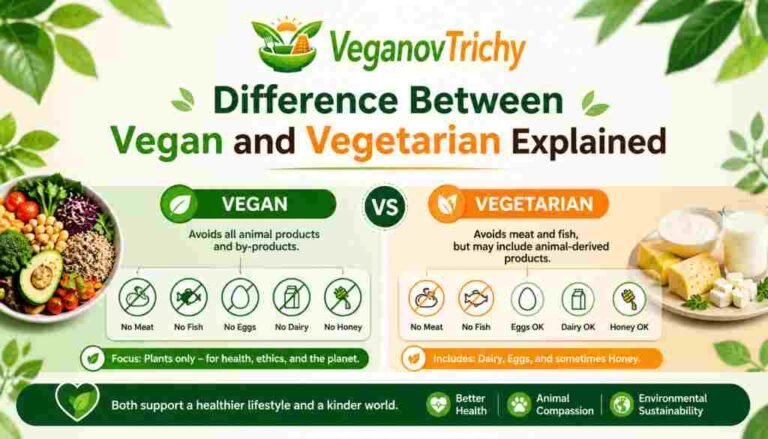
Vegan vs Vegetarian: Key Differences Explained
Many people think vegan and vegetarian diets are the same. However, there is a clear difference between them. Vegetarians do not eat meat, fish, or poultry. But they may still eat dairy products like milk, butter, and cheese. Some vegetarians also eat eggs. Vegans, on the other hand, avoid all animal products completely. This means no dairy, no eggs, and no honey. Veganism is not only a diet but also a lifestyle choice. It focuses on avoiding harm to animals in all forms.
Understanding this difference is important for beginners. It helps people make the right food choices and follow the diet correctly.
What Foods Are Vegan? (Complete Food List)
A vegan diet includes a wide variety of plant-based foods. These foods are natural, healthy, and easy to find in daily life.
Common vegan foods include:
- Fruits such as apples, bananas, oranges, and mangoes
- Vegetables like spinach, potatoes, carrots, and tomatoes
- Grains such as rice, wheat, oats, and corn
- Pulses like lentils, chickpeas, and beans
- Nuts and seeds such as almonds, peanuts, and sunflower seeds
- Plant-based milk like soy milk and almond milk
These foods provide essential nutrients and energy for the body. Many traditional meals are already vegan or can be made vegan by simple changes.
Also Read: Where to Eat Vegan: Best Places, Tips & Reviews Guide
What Foods Are Not Vegan? (Ingredients to Avoid)
Some foods may look vegetarian but are not vegan. It is important to understand which foods to avoid when following a vegan diet.
Foods that are not vegan include:
- Meat, chicken, and fish
- Milk and dairy products like cheese, butter, and curd
- Eggs
- Honey
- Gelatin found in sweets and desserts
- Ghee and other animal-based fats
Many packaged foods contain hidden animal ingredients. Always read labels carefully before buying any product. This habit helps you stay true to a vegan lifestyle.
Why Do People Choose Vegan Food?
People choose vegan food for many different reasons. One of the main reasons is health. Plant-based foods are often rich in nutrients and low in harmful fats. Another important reason is concern for animals. Many people believe animals should not be used for food or products. Veganism helps reduce animal suffering.
Environmental concerns also play a big role. Producing plant-based food uses fewer natural resources like water and land. It also creates less pollution. This makes vegan food a more sustainable choice for the planet.
Health Benefits of Vegan Food
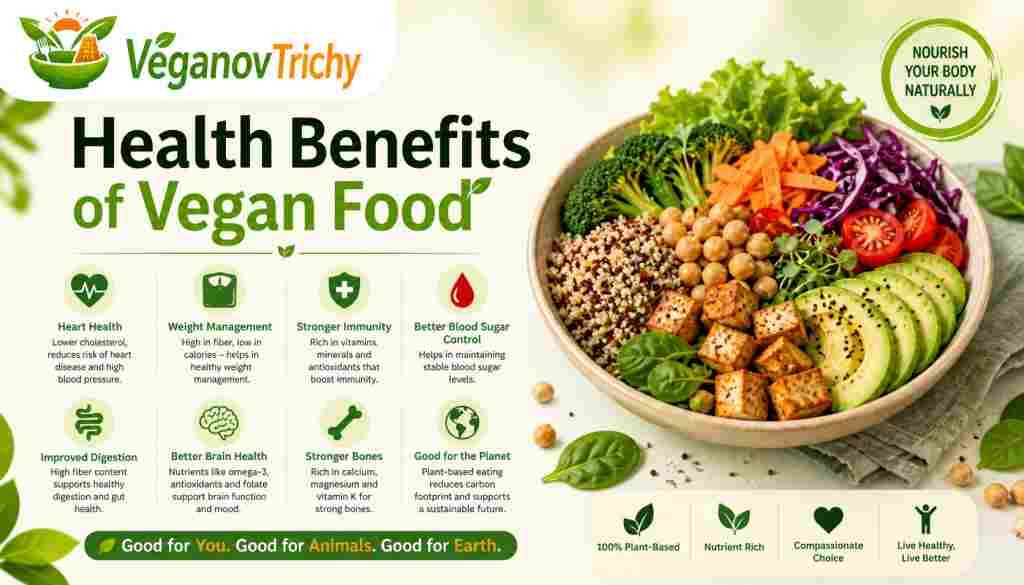
Vegan food offers many health benefits when followed properly. It is usually rich in fiber, vitamins, and minerals. At the same time, it is low in saturated fat.
Some important health benefits include:
- Better heart health
- Lower cholesterol levels
- Improved digestion
- Healthy weight management
- Reduced risk of certain diseases
Plant-based diets can help people feel more active and energetic. Eating fresh and natural food supports overall wellness. However, balance is important to get all nutrients.
Nutritional Value of Vegan Food (Protein, Vitamins & Minerals)
A common concern about vegan food is nutrition. Many people think it lacks protein and important vitamins. This is not true if the diet is planned properly. Protein can be found in lentils, beans, tofu, and nuts. Iron is available in leafy vegetables and legumes. Calcium can be obtained from plant-based milk and seeds. Vitamin B12 is usually added to fortified foods. A balanced vegan diet can provide all essential nutrients. It is important to eat a variety of foods daily. This ensures the body gets everything it needs to stay healthy.
Common Myths About Vegan Food (Debunked)
There are many myths about vegan food that confuse people. One common myth is that vegan diets do not provide enough protein. In reality, many plant foods are rich in protein. Another myth is that vegan food is boring and tasteless. This is not true. There are many delicious vegan recipes available today. Vegan food can be both healthy and tasty. Some people also believe vegan diets are difficult to follow. With proper planning and knowledge, it becomes easy over time.
Types of Vegan Diets Explained
Not all vegans eat the same type of food. There are different types of vegan diets based on personal choices. Some people follow a whole-food vegan diet. This includes natural and unprocessed foods. Others may eat processed vegan products like snacks and plant-based meat. Some follow a raw vegan diet and eat uncooked foods. Each type of vegan diet has its own style and benefits. Choosing the right type depends on personal goals and lifestyle.
Popular Vegan Foods in India
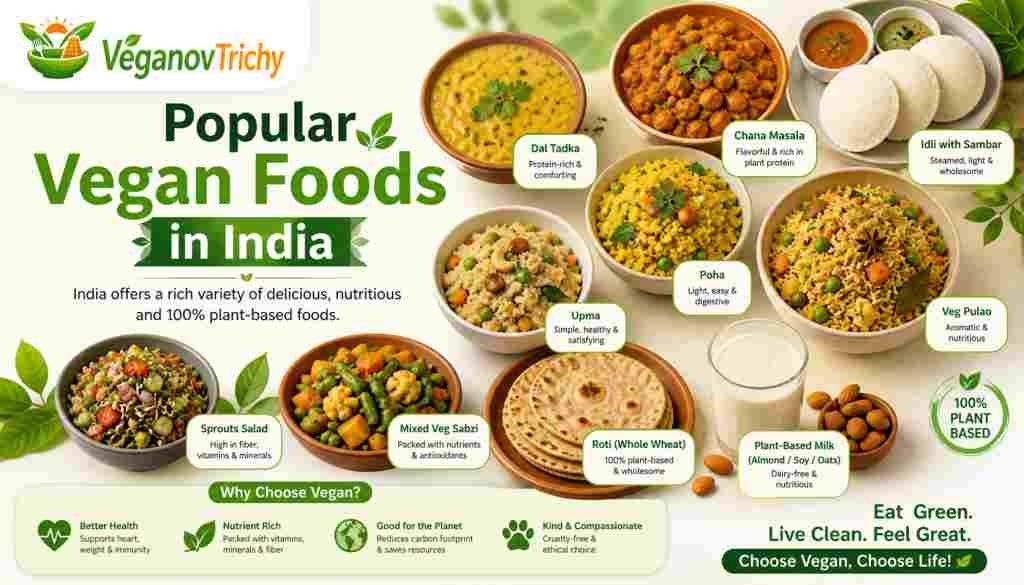
India has many traditional dishes that are naturally vegan. This makes it easier for people to follow a vegan diet. Common vegan foods include dal, rice, roti, vegetable curry, chana masala, and upma. Many snacks like samosa and poha can also be vegan if made without butter or ghee. Indian cuisine offers a wide variety of plant-based options. With small changes, many dishes can become completely vegan.
Best Vegan Alternatives to Dairy and Meat
Today, there are many vegan alternatives available in the market. These products help people replace animal-based foods easily.
Popular alternatives include:
- Soy milk, almond milk, and coconut milk
- Tofu and plant-based paneer
- Vegan butter and cheese
- Plant-based meat products
These alternatives make the transition to veganism easier. They also help people enjoy familiar tastes without using animal products.
Also Read: Vegan Chicken Guide: Taste, Benefits, Brands & Reviews
How to Start a Vegan Diet (Beginner’s Guide)
Starting a vegan diet may feel challenging at first. But it becomes easier with small steps and proper planning. Begin by adding more plant-based meals to your routine. Replace dairy milk with plant-based milk. Try simple vegan recipes at home. Learn about nutrition and balance your meals. Starting slowly helps build long-term habits. Over time, it becomes a natural part of daily life.
Challenges of Vegan Food and How to Overcome Them
A vegan diet can have some challenges, especially for beginners. Finding vegan options while eating out can be difficult. Some people may also face social pressure or lack of awareness. Planning meals in advance can help solve many problems. Cooking at home is also a good option. With time and experience, these challenges become easier to manage.
Is Vegan Food Expensive? Cost Analysis
Many people believe vegan food is expensive. This idea comes from the high cost of some packaged vegan products. However, basic vegan foods like rice, vegetables, and lentils are affordable. Cooking at home can reduce costs even more. A simple vegan diet can be budget-friendly and healthy. It depends on the food choices you make.
Top Vegan Products and Brands in India (Review)
The vegan market in India is growing fast. Many brands now offer plant-based products like milk, snacks, and meat alternatives. Some products focus on taste, while others focus on health. It is important to choose products with clean and simple ingredients. Reading labels and reviews can help you make better decisions. Trying different products can help you find what suits your taste and budget.
Conclusion: Of What Is Vegan Food Right for You?
Vegan food is a healthy and sustainable way of eating. It offers many benefits for health, animals, and the environment. Choosing a vegan diet depends on your personal goals and lifestyle. It is important to learn, plan, and stay consistent. Starting with small steps can make the journey easier. In the end, vegan food is not just a diet. It is a lifestyle choice that promotes better living for both people and the planet.
Frequently Asked Questions (FAQs)
What is vegan food in simple words?
Vegan food is food that comes only from plants. It does not include meat, fish, dairy, eggs, or any animal-based ingredients.
Can vegans eat eggs or milk?
No, vegans do not eat eggs or milk. These are animal products, and vegan diets avoid all foods that come from animals.
Is vegan food healthy for everyone?
Vegan food can be very healthy if it is well balanced. It should include enough protein, vitamins, and minerals from different plant sources.
What do vegans eat for protein?
Vegans get protein from foods like lentils, beans, tofu, nuts, and seeds. These foods can provide enough protein for daily needs.
Is vegan food expensive in India?
Vegan food is not always expensive. Basic foods like rice, vegetables, and lentils are affordable. Only packaged vegan products may cost more.