
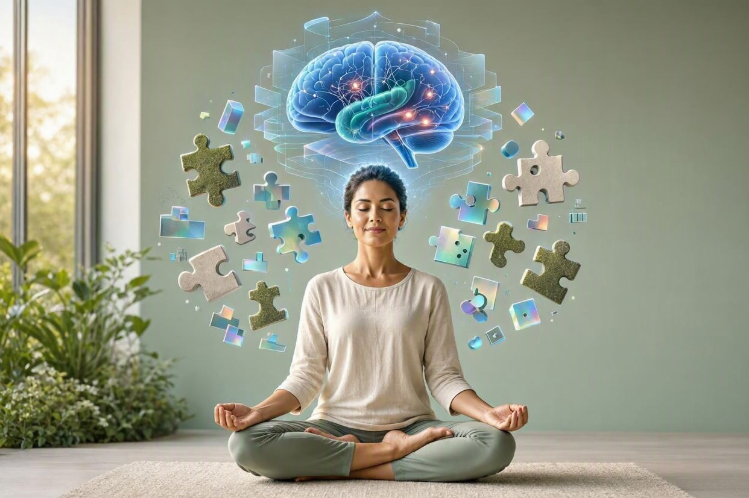
Brain Games and Wellness: Why Digital Engagement Supports Conscious Living and Mindfulness Practice
Conscious living emphasizes intentional choices supporting wellbeing. Many conscious practitioners avoid digital entertainment believing it contradicts mindfulness values. Yet carefully chosen digital engagement actually supports wellness goals. Brain games, when practiced mindfully, offer cognitive benefits aligned with conscious living principles. Understanding how digital activities complement rather than contradict wellness, as evidenced through engaging platforms like تحميلعبةcrash1xbet, reveals surprising wellness synergies.
Mindfulness and Digital Activities
Mindfulness isn’t technology avoidance—it’s present-moment awareness regardless of activity. Digital engagement can be mindful when approached intentionally. Playing puzzle games with full attention differs fundamentally from mindless scrolling. The distinction lies not in technology but in consciousness.
Conscious gamers approach digital activities deliberately. They schedule specific play sessions rather than gaming constantly. They select games supporting their wellbeing goals rather than pursuing addictive mechanics. This intentional approach aligns with broader conscious living principles.
Mindful gaming involves complete engagement. Players remain present with the activity rather than distracted. This full attention provides cognitive benefits exceeding passive entertainment.
Cognitive Wellness Benefits
Brain games strengthen cognitive resilience. Puzzle-solving, strategy games, word games—all exercise mental faculties. Regular cognitive engagement maintains sharp thinking. Conscious practitioners recognize this cognitive maintenance as wellness component.
Mental stimulation through games improves focus and memory. Regular brain exercise creates neuroplasticity benefits. These cognitive improvements support overall wellbeing. Many conscious practitioners incorporate brain games into wellness routines alongside meditation and physical exercise.
Game complexity should match player ability. Too-easy games bore. Too-difficult games frustrate. Finding appropriate challenge maintains engagement and cognitive benefit. Conscious players select games matching their developmental level.
Stress Reduction Paradox
Counterintuitively, games can reduce stress despite competitive elements. Flow states—complete absorption in challenging activities—reduce anxiety. Games facilitating flow provide genuine stress relief.
Game-induced flow differs from distraction. Distraction involves escaping thoughts. Flow involves complete engagement with present activity. The distinction matters—distraction provides temporary relief while flow produces lasting wellbeing.
Conscious practitioners recognize games enabling genuine presence as wellness tools. Games encouraging full engagement provide benefits exceeding passive entertainment.
Social Connection Through Gaming
Conscious communities often feel isolated from mainstream culture. Gaming communities increasingly include conscious practitioners. Shared gameplay creates connection transcending dietary or lifestyle differences.
Multiplayer games enable social bonding for geographically dispersed communities. Conscious practitioners separated by distance maintain connection through shared gaming. This social dimension supports wellbeing substantially.
Game communities increasingly embrace inclusivity. Conscious players find welcoming communities sharing values. This alignment creates meaningful social connection.
Balancing Screen Time Wisely
Conscious living balances digital engagement with offline experiences. Intentional gamers limit screen time maintaining healthy balance. They prioritize physical activity, face-to-face connection, and outdoor time while incorporating games strategically.
Scheduling gaming during optimal times—evening wind-downs rather than morning exercise times—maintains balance. Conscious practitioners integrate gaming into broader wellness routines rather than allowing it to dominate.
Setting personal limits reflects conscious values. Some conscious gamers limit sessions to 30 minutes daily. Others schedule specific gaming sessions weekly. These personal boundaries maintain alignment with broader wellness goals.
Game Selection for Conscious Players
Conscious practitioners thoughtfully select games. They avoid games glorifying violence or incorporating manipulative monetization. They prefer games with artistic merit or genuine cognitive challenge.
Story-driven games often appeal to conscious players. Games exploring meaningful themes connect with players seeking substantive engagement. Puzzle and strategy games appeal to those prioritizing cognitive benefit.
Game values matter to conscious players. They prefer supporting developers sharing values. Games promoting creativity, cooperation, or environmental consciousness align with conscious values.
The Sustainability Angle
Conscious players increasingly consider environmental impact of digital entertainment. They recognize server farms consume electricity. Conscious choices might favor less resource-intensive games.
Cloud gaming efficiency matters environmentally. Streaming games can consume less energy than hardware-intensive local gaming. Conscious players increasingly consider environmental factors in technology choices.
Digital Detox and Balance
Even conscious gamers benefit from regular digital detoxes. Periodic gaming breaks maintain healthy relationship with technology. Conscious practitioners might designate device-free days or weekends.
Digital detoxes provide perspective. After stepping back, conscious players recognize gaming’s role in balanced life. This reset prevents digital engagement from becoming problematic.
Integration with Broader Practice
Conscious gamers integrate gaming naturally into meditation and mindfulness practice. Gaming becomes tool supporting overall wellbeing rather than contradicting it. Many report gaming sessions provide similar meditative benefit as formal meditation—complete presence dissolving mental chatter.
Conclusion
Conscious living and digital engagement need not conflict. Intentional gaming—gameplay pursued with full presence and purposeful limitation—supports cognitive wellness. Brain games strengthen mental acuity. Gaming communities provide social connection. Mindful gameplay achieves flow states reducing stress. Conscious practitioners increasingly recognize that technology itself is neutral; the conscious choice lies in how it’s used. Games approached intentionally become genuine wellness tools complementing meditation, physical practice, and mindful living principles supporting holistic wellbeing.