Difference Between Vegan and Vegetarian Explained
Introduction to Vegan and Vegetarian Diets
The terms vegan and vegetarian are becoming more popular every year. Many people now want healthier lifestyles and better food habits. Others want to protect animals or reduce environmental damage. Because of this, searches for the difference between vegan and vegetarian are growing quickly in India and around the world.
At veganovstrichy.com, readers can learn useful information about plant-based lifestyles, healthy eating habits, and modern food trends in simple language. Understanding these two diets is important because many people think they are the same. In reality, there are several important differences between them.
Both vegan and vegetarian diets focus mainly on plant-based foods. However, the rules about dairy, eggs, and animal products are very different. Knowing these differences can help people choose the lifestyle that matches their health goals and personal beliefs.
What Does Vegetarian Mean?
A vegetarian is a person who does not eat meat, fish, or poultry. Most vegetarians mainly consume foods that come from plants. However, many vegetarians still eat products that come from animals indirectly, such as milk, butter, cheese, yogurt, and sometimes eggs. The vegetarian lifestyle has existed for many years in India. Religious beliefs, cultural traditions, and health reasons are some of the main causes behind vegetarian eating habits. Indian vegetarian meals are also very diverse and nutritious.
A vegetarian diet usually includes vegetables, fruits, grains, pulses, nuts, dairy products, and spices. This lifestyle is often considered easier to follow because dairy products are widely available in daily meals.
What Does Vegan Mean Difference Between Vegan And Vegetarian?
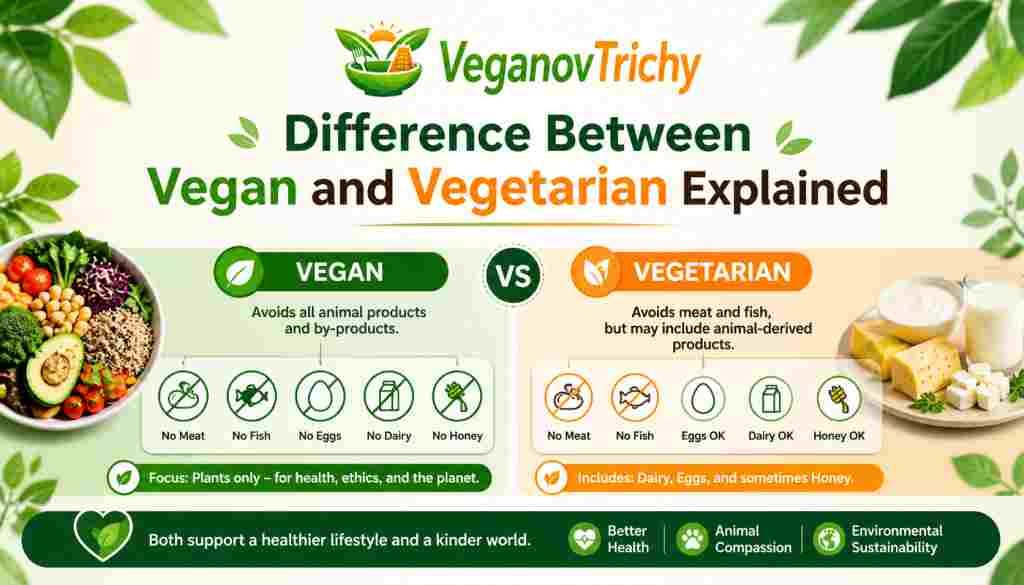
A vegan avoids all foods and products that come from animals. Vegans do not eat meat, fish, eggs, milk, cheese, butter, honey, or any animal-based ingredient. Veganism is more than a diet. It is also a lifestyle choice. Many vegans avoid leather, wool, silk, and products tested on animals. Their goal is to reduce harm to animals as much as possible. This is one of the biggest differences between vegan and vegetarian lifestyles.
Today, vegan products are becoming more common in India. Supermarkets and restaurants now offer plant-based milk, vegan snacks, dairy-free ice cream, and meat alternatives. This growth is making veganism easier for beginners.
Difference Between Vegan and Vegetarian
The main difference between vegan and vegetarian lifestyles is the use of animal products. Vegetarians avoid meat but may still consume dairy and eggs. Vegans avoid all animal-related products completely. A vegetarian may drink milk and eat paneer. A vegan replaces these foods with plant-based options like soy milk or almond milk. Vegetarians mainly focus on avoiding meat, while vegans focus on avoiding every form of animal exploitation.
Another important difference is lifestyle behavior. Vegans often support cruelty-free products and eco-friendly living. Vegetarians may not always follow these practices strictly. Both diets can be healthy when planned correctly. However, vegans usually need to pay more attention to nutrients like Vitamin B12 and protein intake.
Also Read: Veganovtrichy.com: Vegan Lifestyle & Healthy Living Partner
Vegan vs Vegetarian Diet Comparison Table
| Feature | Vegetarian | Vegan |
|---|---|---|
| Eats Meat | No | No |
| Eats Fish | No | No |
| Drinks Milk | Yes | No |
| Eats Cheese | Yes | No |
| Eats Eggs | Sometimes | No |
| Uses Honey | Usually Yes | No |
| Uses Leather Products | Sometimes | Usually No |
| Main Focus | Avoid meat | Avoid all animal products |
| Lifestyle Type | Diet-focused | Lifestyle-focused |
| Popular in India | Very common | Growing rapidly |
Types of Vegetarian Diets Explained
There are different forms of vegetarian diets. Each type has different food rules.
Common Types of Vegetarian Diets
- Lacto Vegetarian
Eats dairy products but avoids eggs, meat, and fish. - Ovo Vegetarian
Eats eggs but avoids dairy products and meat. - Lacto-Ovo Vegetarian
Eats both eggs and dairy products while avoiding meat. - Eggetarian
Common in India. These people eat eggs but avoid meat and fish.
These variations make vegetarian diets flexible and easier for different people.
Foods Vegetarians Can Eat
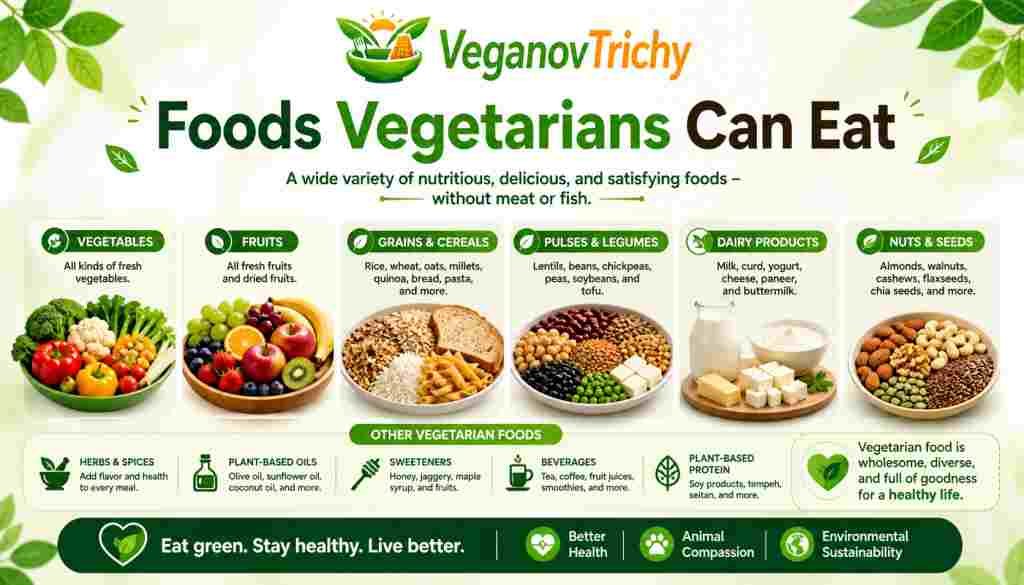
Vegetarians have many food choices available. Indian cuisine especially offers countless vegetarian dishes that are healthy and flavorful. Rice, roti, lentils, vegetables, fruits, nuts, dairy products, and spices are common in vegetarian meals. Paneer curry, dal, vegetable biryani, khichdi, curd rice, and mixed vegetable dishes are popular examples. Many vegetarians also consume sweets made with milk products.
Because dairy is included, vegetarians often get calcium and protein more easily compared to vegans. However, food quality still matters. Eating too much fried or processed food can reduce the health benefits.
Foods Vegans Can Eat
Vegans mainly consume foods that come completely from plants. Their meals usually include vegetables, fruits, beans, grains, seeds, nuts, and plant-based alternatives. Many vegan foods are naturally available in India. Lentils, chickpeas, rice, vegetables, coconut milk, peanuts, and soy products are excellent examples. Vegan cooking is becoming more creative and tasty every year.
Plant-based milk options like almond milk, soy milk, oat milk, and coconut milk are also growing in popularity. Vegans often use tofu instead of paneer and coconut cream instead of dairy cream.
Modern vegan products now make it easier to enjoy pizza, burgers, desserts, and snacks without using animal ingredients.
Health Benefits of Vegan and Vegetarian Diets
Both vegan and vegetarian diets offer many health benefits when followed properly. Plant-based eating usually includes more fiber, vitamins, minerals, and antioxidants. These nutrients help the body stay healthy. Many studies suggest that vegetarian and vegan diets may lower the risk of heart disease, obesity, and high blood pressure. Eating more vegetables and fruits can improve digestion and energy levels.
A vegan diet may also reduce cholesterol because it avoids animal fats completely. Vegetarian diets can also support good health if processed foods are limited. Another major benefit is weight management. Plant-based foods are often lower in calories and higher in fiber. This helps people feel full for a longer time. However, balance is very important. People should still consume enough protein, iron, calcium, and Vitamin B12 for overall health.
Vegan vs Vegetarian for Weight Loss
Many people choose difference between vegan and vegetarian diets to lose weight. Both diets can support healthy weight loss because they often contain fewer calories than meat-based diets. A vegan diet may lead to faster weight loss for some people because it removes high-fat dairy products and many processed animal foods. Vegans often consume more vegetables and fiber-rich foods.
Vegetarian diets can also help with weight management. However, eating too much cheese, sweets, fried snacks, or creamy foods may slow progress. The most important factor is overall food quality. A healthy plant-based diet should include whole foods, enough protein, proper hydration, and regular exercise. Crash dieting is never recommended. Healthy weight loss should always happen slowly and safely.
Protein Sources for Vegans and Vegetarians
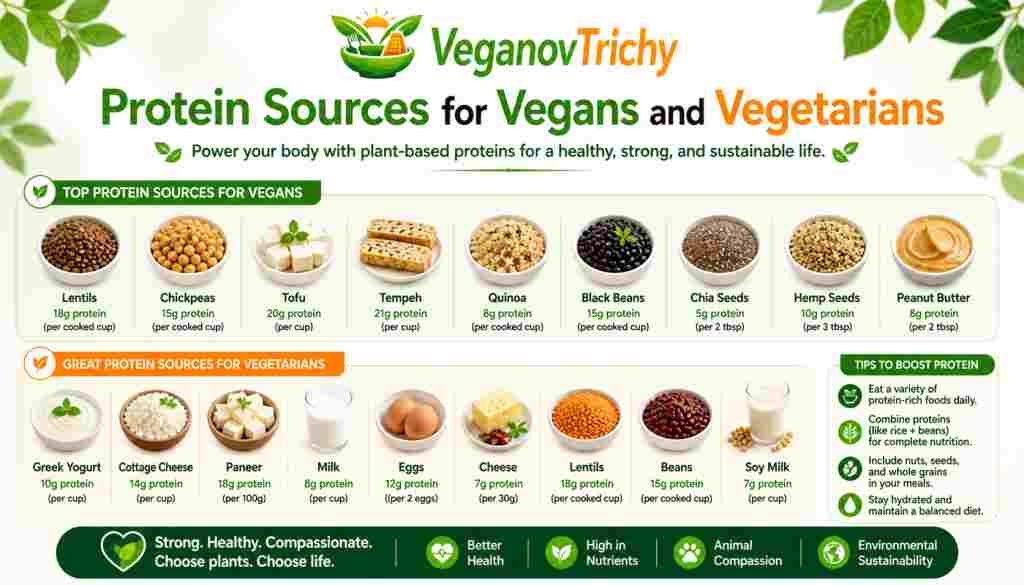
One of the most common questions people ask is where vegans and vegetarians get protein. The good news is that many plant-based foods contain enough protein for daily needs.
Best Protein Sources
- Lentils
- Chickpeas
- Kidney beans
- Tofu
- Soy products
- Nuts and seeds
- Peanut butter
- Oats
- Quinoa
- Paneer and yogurt for vegetarians
Protein is important for muscles, bones, skin, and body repair. A balanced diet with different protein sources can support good health without meat. Athletes and gym users can also follow vegan or vegetarian diets successfully with proper planning.
Nutritional Deficiencies to Watch For
Although plant-based diets are healthy, some nutrients need extra attention. Poor planning can sometimes lead to nutritional deficiencies. Vitamin B12 is one of the biggest concerns for vegans because it is mainly found in animal products. Vegans often use fortified foods or supplements to maintain healthy levels.
Iron deficiency can also happen if enough iron-rich foods are not consumed. Lentils, spinach, pumpkin seeds, and beans can help increase iron intake. Calcium is another important nutrient. Vegetarians usually get calcium from dairy products, while vegans use fortified plant milk, tofu, and leafy greens. Omega-3 fatty acids are also important for brain health. Chia seeds, flaxseeds, and walnuts are useful plant-based sources. Regular health checkups and balanced eating habits can prevent most nutrient problems.
Vegan vs Vegetarian: Which Is Healthier?
There is no single answer to this question because health depends on food quality and lifestyle habits. Both vegan and vegetarian diets can be healthy when properly planned. A vegan diet may offer lower cholesterol and lower saturated fat intake. This can support heart health and weight management. However, vegans need to pay closer attention to nutrients like Vitamin B12, calcium, and protein.
Vegetarian diets may be easier for beginners because dairy products provide additional nutrients and convenience. Many people find vegetarian eating simpler in social situations and restaurants. The healthiest choice depends on personal goals, medical conditions, ethics, and daily lifestyle. A balanced diet with natural foods is more important than simply choosing a label.
Also Read: What Is Vegan Food? Complete Guide, Benefits & List
Environmental and Ethical Impact
Many people choose difference between vegan and vegetarian lifestyles because of environmental and ethical concerns. Animal farming uses large amounts of water, land, and energy. It also produces greenhouse gases that affect climate change. Plant-based diets are often considered more environmentally friendly because they require fewer natural resources. Reducing meat consumption can lower environmental pressure.
Ethics also play a major role in veganism. Vegans believe animals should not suffer for food, clothing, or entertainment. This belief influences many of their daily choices. Vegetarians may also care about animals, but their focus is usually more flexible compared to strict vegan lifestyles. As awareness grows, more companies are offering cruelty-free and plant-based products to meet consumer demand.
Common Myths About Vegan and Vegetarian Diets
There are many misunderstandings about vegan and vegetarian lifestyles. Some people believe plant-based diets are weak or unhealthy, but this is not true when meals are balanced.
Common Myths
- Myth: Vegans cannot get enough protein.
Truth: Many plant foods contain excellent protein. - Myth: Vegetarian food is boring.
Truth: Indian cuisine offers thousands of flavorful plant-based dishes. - Myth: Vegan diets are always expensive.
Truth: Basic vegan foods like rice, lentils, vegetables, and beans are affordable. - Myth: Plant-based diets are unhealthy for children.
Truth: Balanced diets can support healthy growth with proper nutrition.
Learning correct information helps people make better decisions without confusion.
Final Verdict: Vegan or Vegetarian – Which One Should You Choose?
Choosing difference between vegan and vegetarian lifestyles depends on your personal goals and beliefs. Both diets can improve health, support weight management, and encourage mindful eating habits. A vegetarian diet may be easier for beginners because dairy products are widely available in India. It also fits easily into traditional Indian meals A vegan lifestyle may appeal more to people who strongly care about animal welfare and environmental sustainability. However, it requires more careful planning and label checking.
The best choice is the one you can follow consistently while maintaining good nutrition and a healthy lifestyle. Focus on eating fresh foods, staying active, and creating balanced meals. No matter which path you choose, moving toward more plant-based eating can provide many long-term benefits for your body, the environment, and overall well-being.